October 1, 2026
A new countertop changes how a kitchen or bathroom looks, but its effect reaches beyond the visible surface. The material must suit the room, the pieces must fit, and installation must work with the cabinetry. Those decisions are connected, which makes the people handling them as important as the slab itself.
Choosing
countertop installers is therefore about more than arranging a date for the work. A good working relationship begins with questions about how the room is used and continues through material selection, design planning, installation, and care. Each of those stages can make the finished countertop easier to choose and live with.
1. Material Guidance Grounded in Your Daily Routine
Granite, quartz, and quartzite offer different appearances and care considerations. Some homeowners prefer the varied patterns of natural stone, while others want the more consistent look available in many quartz designs. Daily habits matter too: a busy kitchen, a bathroom vanity, and a laundry room counter do not all face the same use. A thoughtful selection process considers the room alongside a homeowner's preferences.
With natural stone, the particular slab matters as much as the name of the material. According to This Old House, granite is made up of interlocking crystals of quartz, feldspar, and mica. Those minerals contribute to the variations in its appearance, so a general color label cannot describe every slab. Seeing a larger section helps homeowners consider how its movement and color will read across the finished counter.
A conversation with countertop installers can connect those visual choices with the practical details of the project. A homeowner may like a dramatic granite pattern but also want to know how it will look beside existing cabinetry and how it should be maintained. Comparing that possibility with quartz or quartzite allows the decision to reflect both appearance and everyday use. The result is a surface whose look and upkeep suit the room.
2. A Design You Can Picture Before Installation
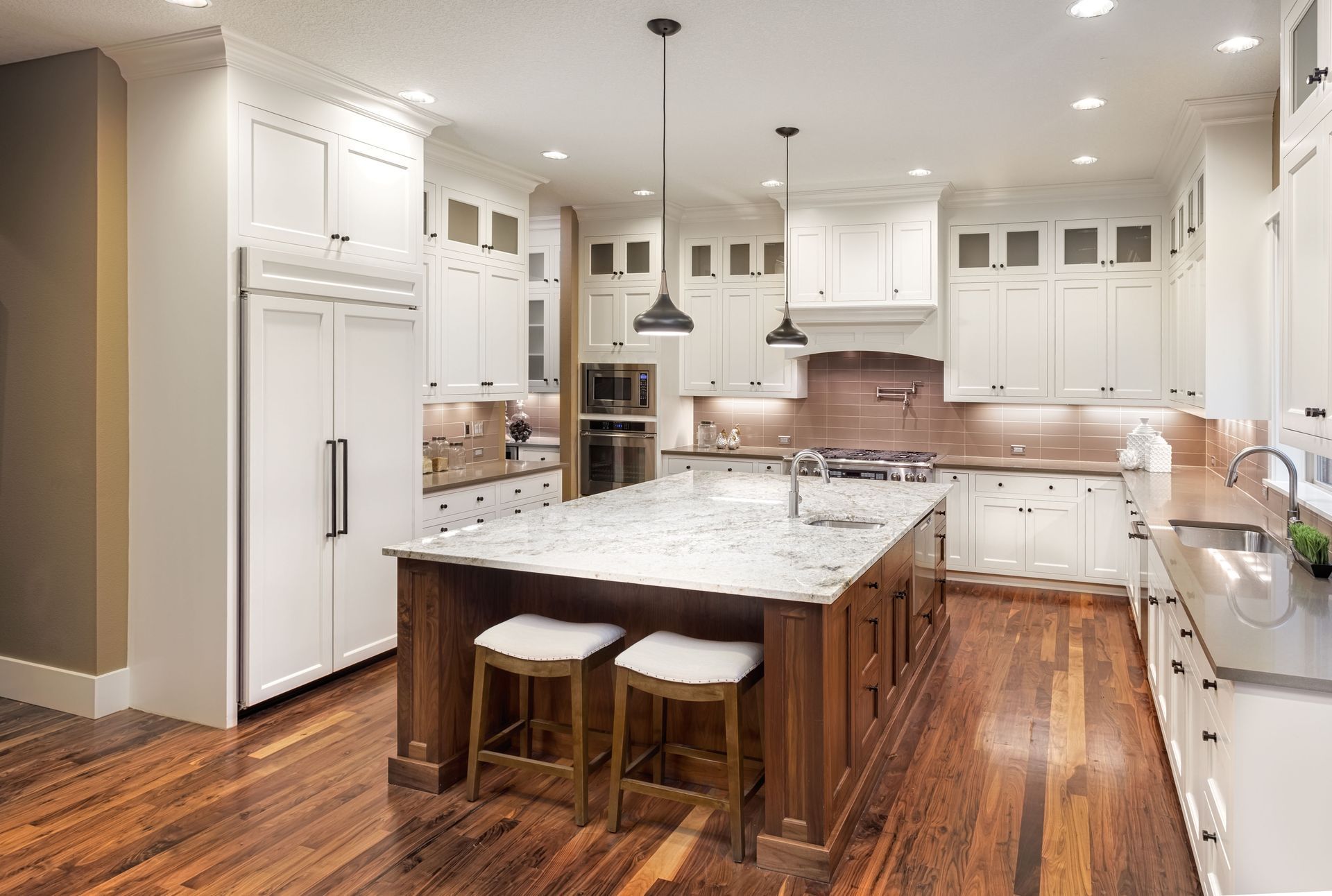
It is difficult to judge a countertop in isolation from the rest of a room. Cabinet color, lighting, wall finishes, and the amount of visible counter space can change how a pattern looks once installed. A surface that seems subtle in a sample may become a prominent feature across a long run of cabinets. Planning with the entire room in mind helps homeowners decide whether that effect matches what they want.
Design visualization offers another way to examine those relationships before work begins. A three-dimensional rendering can show how a selected counter may look with the cabinets and surrounding layout, giving the homeowner a chance to consider different colors or finishes. It is a useful conversation tool, especially when choosing between several materials that appear appealing on their own. The image supports the decision, while viewing actual materials remains important for understanding their natural variation.
That visual plan gives countertop installers and homeowners a shared reference for the room. If cabinets are also being installed, their color and style can be considered beside the countertop before either choice is final. The homeowner can then ask how a preferred surface would look across the available counter space. These discussions connect the visual plan to what will actually be installed.
3. Attention to Fit and Finishing Details
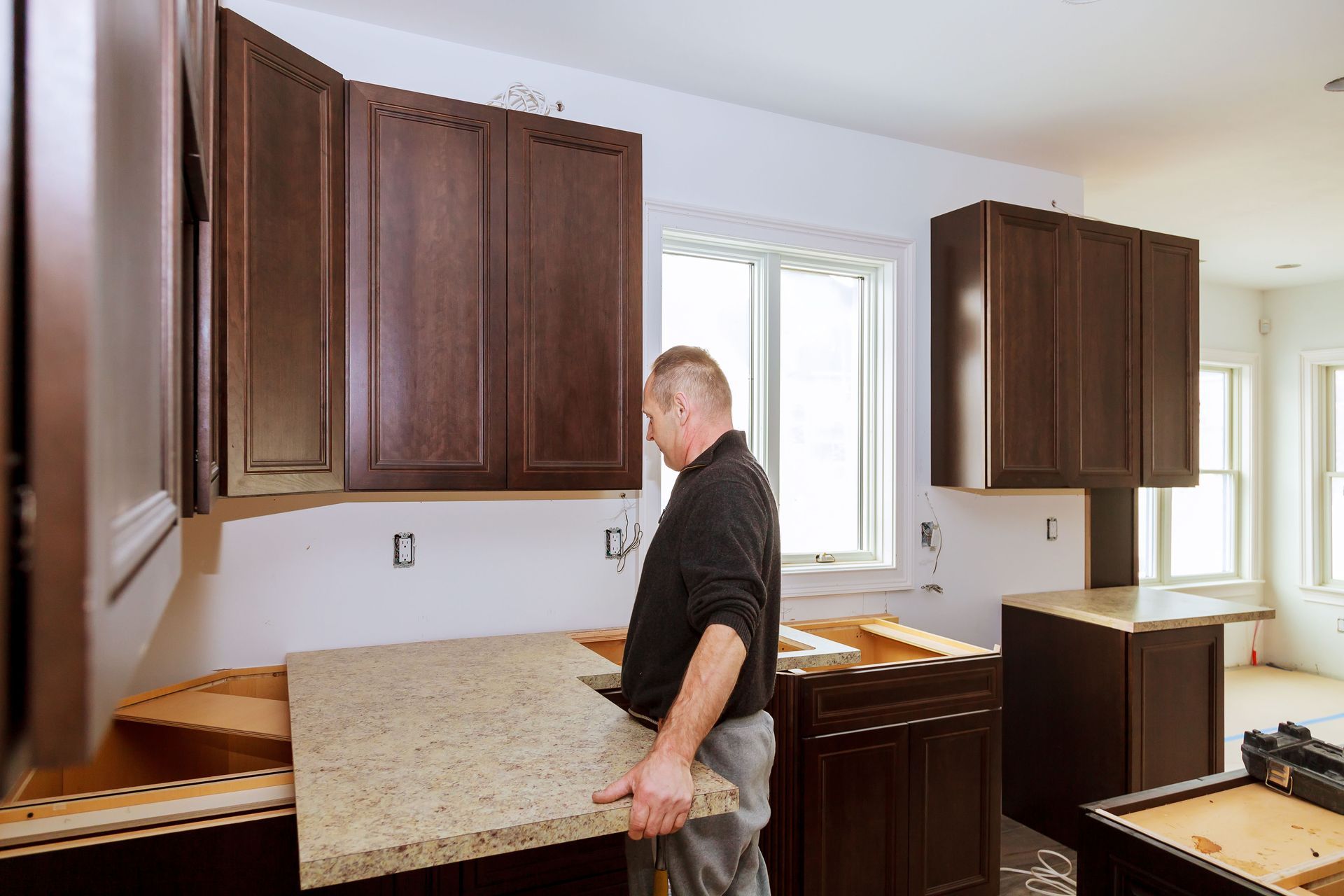
Countertops need to follow the dimensions of the space where they will be installed. Walls, cabinet runs, and corners may appear straightforward until the final pieces must meet them cleanly. Accurate measurements and careful cutting are particularly significant with stone, where the finished material is substantial and adjustments deserve close attention. The quality of the fit affects both the appearance of the counter and how comfortably the room functions.
Details at the visible edges matter as well. A chosen edge profile can make a granite countertop appear more understated or more decorative, depending on the surrounding cabinets and the homeowner's taste. The location of a sink or another opening also needs to be considered while the countertop is planned and cut. These decisions belong in the installation conversation rather than being left as surprises when the material arrives.
Experienced countertop installers should explain which measurements and finishing details they need to confirm before installation. For a long counter or an unusual layout, homeowners may also want to discuss how separate sections will meet. That conversation makes room for realistic expectations about the finished appearance without assuming every kitchen or bathroom has the same layout. A precise plan helps the chosen material look intentional in its final setting.
4. Clearer Coordination From Planning to Completion
Countertop installation may be one part of a larger kitchen or bathroom update. Cabinets, a vanity, or other planned features can affect when measurements are taken and when the countertop can be installed. Even when the counters are the only new feature, homeowners need to understand the proposed scope and sequence. Clear communication helps everyone involved know which decisions must be settled before the work begins.
A consultation and in-home estimate provide opportunities to discuss the room and the selected material in practical terms. They can clarify the areas receiving new counters, included finishes, and how installation fits with other work. They also give the homeowner a chance to ask who will answer design questions as the project moves forward. The goal is a scope of work that reflects the actual room and the choices already made.
The right countertop installers can also explain how changes in a design choice affect the installation plan. If a homeowner settles on a different edge or adjusts a cabinet design, the relationship between those choices should be discussed before materials are cut. A later change to the plan should come with an explanation of its effect on the finished surface and installation schedule. Those updates help connect the initial discussion with the work that takes place in the home.
5. More Useful Care Guidance After the Work Is Done
The end of installation marks the start of living with the new surface. Homeowners need to know how to care for the material they selected rather than rely on advice meant for every type of countertop. Granite and quartzite are natural stones with sealing considerations, while quartz has different routine care needs. A conversation about those differences helps the new countertop remain suited to daily life.
Care guidance is more helpful when it addresses the actual finish and the way the room is used. For instance, a homeowner choosing granite may want to understand whether sealing is part of the installation and what future maintenance may involve. If a surface develops damage later, it is also useful to know whether the installer offers repair or maintenance services. The answer should distinguish care included in the installation from work that would be arranged later.
Before choosing countertop installers, homeowners can ask what information they will receive once the work is complete and which warranty terms apply. A material warranty and a labor warranty may cover different things, so the terms deserve separate attention. Knowing whom to contact with a question about the installed surface adds another practical benefit to choosing a provider with a clear process.
The best countertop decisions connect the look of a material with the work needed to bring it into a particular room. Taking time to discuss the design, installation, and care helps homeowners understand what they are choosing before the surface becomes part of everyday life. At Ricky Granite & Cabinet, we help homeowners select and install granite, quartz, and quartzite countertops with design support when it is useful. We can discuss your space and the options that fit it when you are ready to plan the project.